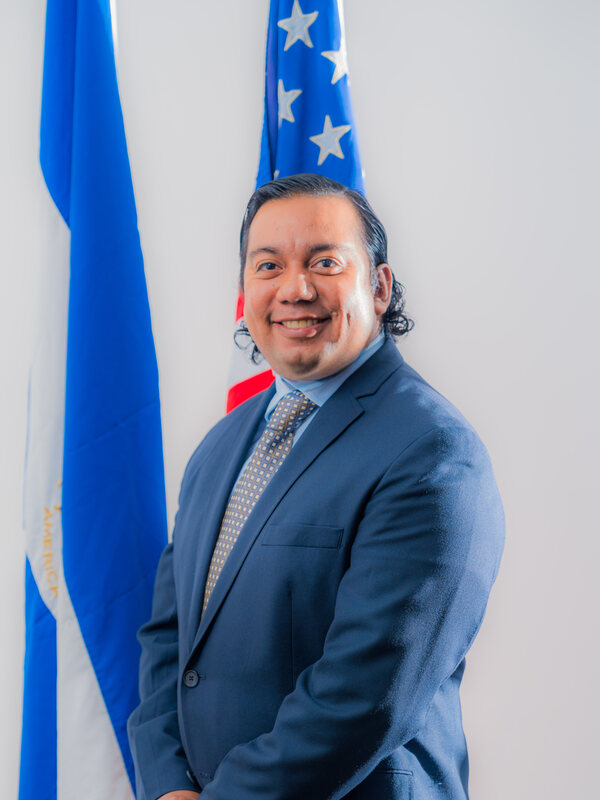
Full-Time Professor
Orlando Cerda
Master · Management
MBA, Private Bolivian University
M.A. Business Management, Thomas More University
Bs. Economic and Finance, Thomas More University

Harvard model, intercultural negotiation, applied neuroscience and closing agreements.
Get the curriculum, requirements and costs.
A counselor replies within 24 hours. By submitting you agree to our privacy policy and to be contacted about your enquiry.
Accredited by SACSCOC — the same commission that accredits universities across the United States.
San Marcos and Managua campuses. No visa, no relocation, no leaving your family behind.
This course introduces students to the theory and practice of negotiation. The ability to negotiate successfully depends on a combination of analytical and interpersonal skills.
The diplomado examines conflict negotiation, commercial negotiations, understanding barriers to negotiation, the importance of interpersonal skills, and how to practice and prepare to negotiate.
It prepares students to negotiate across cultural and physical borders, drawing on knowledge of national and international markets.
Business professionals, university students, entrepreneurs and anyone interested in improving their negotiation skills.
40 hours
Spanish
Hybrid · 6–8 pm
Managua
Varies by program and campus — confirm with an advisor
Keiser University, accredited by SACSCOC
Distributive negotiation strategy and tactics.
Strategy, barriers and planning.
Best practices for intercultural negotiation.
Influence, negotiating power and ethics.
Gender, personality and skill differences in negotiation.
Preparing and presenting work professionally.
Definition and key elements of negotiation · Importance in business and daily life · Differences between negotiation, persuasion and selling · Harvard model: principles and application · Distributive vs. integrative negotiation · Win-win strategies · Practical case: Harvard-method simulation
Competitive vs. collaborative negotiation · Intercultural negotiation and its challenges · Relationship- and trust-based negotiation · Negotiation in sales and commerce · In the financial sector · In labor conflicts and dispute resolution · Role-playing exercise
Neuroscience and psychology in negotiation · The role of emotional intelligence · Persuasion techniques and body language · Cognitive biases affecting negotiation · AI and big data in negotiation · Negotiation software and CRM · Virtual and remote negotiation
High-impact negotiation · Negotiating in crisis and high-pressure environments · Advanced closing techniques · Ethics and responsibility in negotiation
Course sequence is indicative. Your admissions counselor will confirm the current plan of study.
Closing better deals more consistently.
Supplier negotiation and contract terms.
Internal negotiation and conflict resolution.
Labor relations and dispute resolution.
Negotiating with investors, partners and suppliers.
Commercial agreement negotiation.
Bachiller or equivalent secondary qualification.
Cédula or valid passport.
Required for the on-campus sessions.
Submitted online or through an advisor.
A counselor confirms this is the right program for your goals.
We guide you document by document. You never do it alone.
We review scholarship and financing options together.
Registration, orientation and your first day as a Keiser student.
Master · Management
MBA, Private Bolivian University
M.A. Business Management, Thomas More University
Bs. Economic and Finance, Thomas More University
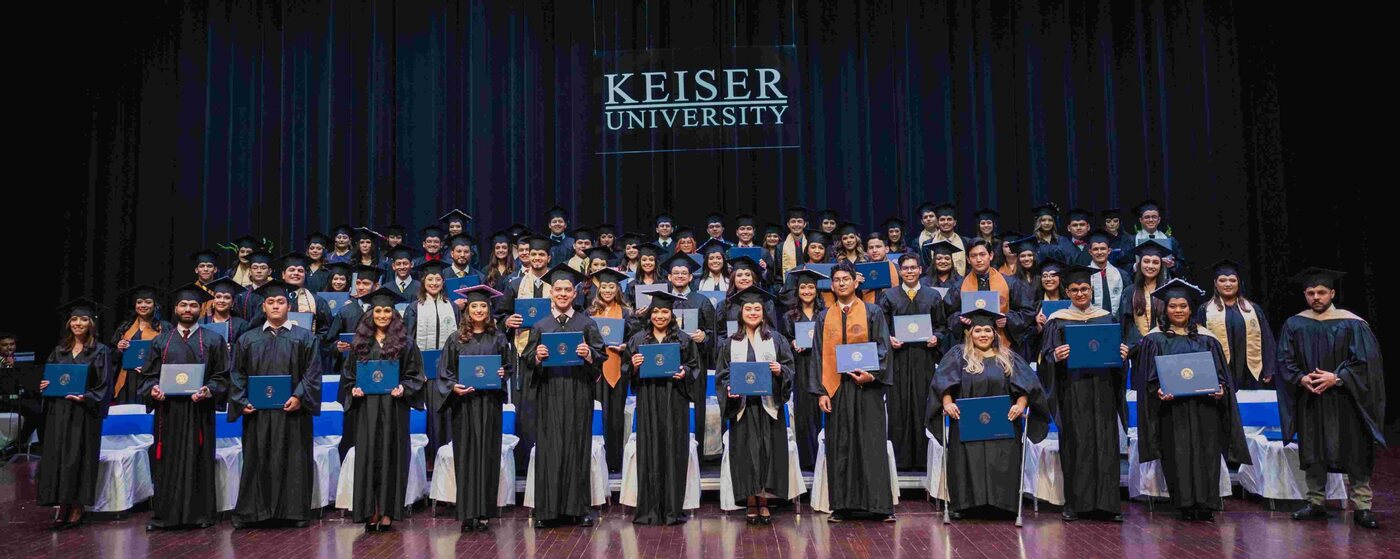
Our faculty combines international graduate training with active professional experience in Nicaragua.
Meet the faculty
A 14:1 student-faculty ratio across the university. Class sizes vary by program, but you are taught in a group small enough to be known by name.
Our model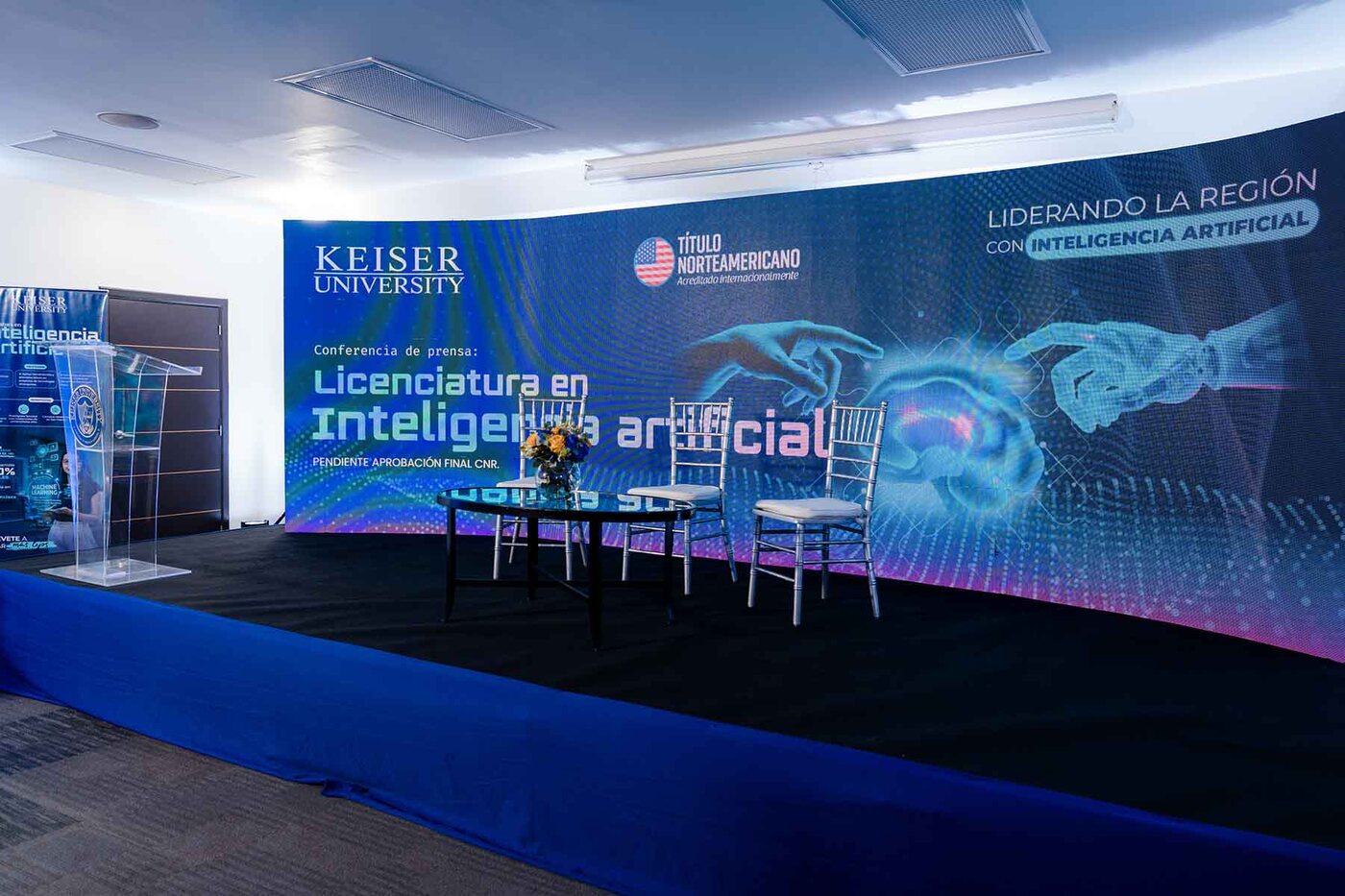
From the basics to n8n, Power Automate and AI governance — no programming background required.
View program
Zero Trust architectures, NIST and ISO 27001, with AI-assisted threat detection.
View program
Meta Ads, Google Ads, email marketing, neuromarketing and eCommerce.
View programTalk to an admissions counselor about Diplomado in Negotiations and Transactions. No commitment, no cost.